
The competitive landscape for small and medium-sized enterprises in 2026 is no longer restricted by local labor availability; it is defined by a company’s ability to orchestrate talent across borders. As the global workforce becomes increasingly borderless, the shift from "outsourcing" to "strategic integration" has become an existential requirement for growth. However, this transition is fraught with sophisticated roadblocks that often overwhelm internal HR departments accustomed to domestic paradigms. From the labyrinth of international labor law to the escalating threats of cross-border data vulnerability, the hurdles to successful offshore hiring are substantial. For the forward-thinking SMB owner, the objective is to leverage the expertise of a reliable BPO partner to transform these challenges into a seamless competitive advantage. By architecting a robust framework for global hiring, businesses can unlock unparalleled operational elasticity and access specialized skills that drive long-term shareholder value.
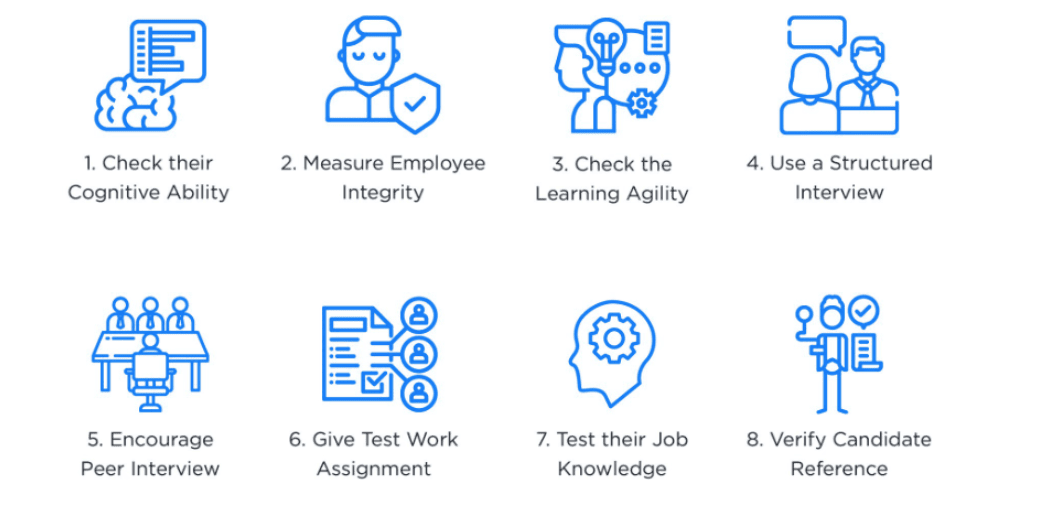
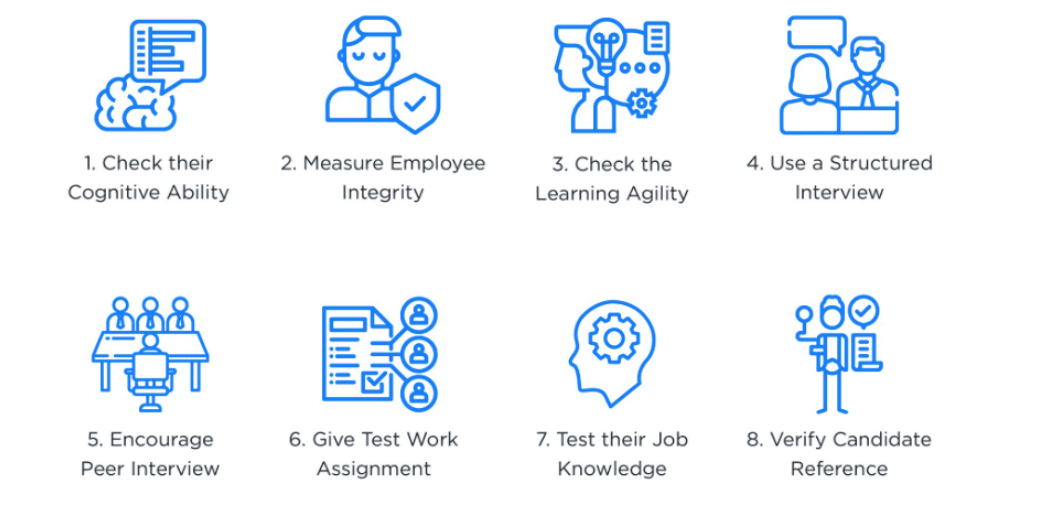
Criteria Clarification: The Architecture of Strategic Intent
The first and perhaps most critical mechanism in the talent engineering process is the rigorous clarification of selection criteria. In many SMB environments, hiring failures are not the result of poor candidates but of poorly defined objectives. In the landscape of 2026, a generic job description is a recipe for operational friction. Criteria clarification involves a deep-dive analysis into the specific value-add required for the role, moving beyond technical checklists to define the "Success Profile" of the ideal offshore employee. This process demands that leadership articulates the exact Key Performance Indicators (KPIs) that the individual will be expected to move, as well as the specific behavioral traits required to navigate the unique stressors of the company’s current growth phase. By defining these criteria with surgical precision before the search begins, the SMB owner eliminates ambiguity from the selection funnel, ensuring that the BPO partner is hunting for a specific strategic outcome rather than a general skill set. This proactive calibration serves as the foundational guardrail for the entire hiring lifecycle, preventing the costly error of hiring for "potential" when the business requires immediate, specialized execution.
The clarification process must also extend to the technological and cultural context in which the offshore resource will operate. In an era dominated by agentic AI and cloud-native workflows, the "Criteria Clarification" must include the candidate’s ability to act as a technological steward—someone who does not just perform tasks but leverages digital tools to augment their output. Furthermore, the criteria must define the level of "Linguistic Contextualization" required, ensuring the candidate can interpret the nuance and subtext of the specific market they will serve. When an SMB owner invests the time to clarify these multidimensional criteria, they provide the BPO partner with a clear map of success. This results in a higher-quality shortlist, a faster time-to-hire, and, ultimately, a team member who arrives fully aligned with the firm's strategic intent. By treating criteria as an evolving architecture rather than a static document, the enterprise maintains the agility necessary to capture high-value talent in a rapidly shifting global market.
Resource Fit Consensus: Orchestrating Organizational Synchronization
Once the criteria have been established, the focus of the selection mechanism shifts toward the orchestration of internal consensus regarding "Resource Fit." One of the most common roadblocks to successful offshore integration is a lack of alignment among domestic stakeholders. If the internal technical leads, operations managers, and executive leadership have differing views on what a successful hire looks like, the offshore resource is destined to encounter friction. Resource Fit Consensus is the strategic process of ensuring that every internal stakeholder who will interact with the new hire is aligned on the evaluation parameters and the long-term integration roadmap. This consensus is vital because an offshore hire is not a remote satellite; they are a component of a larger machine. Achieving this alignment requires a collaborative "Consensus Workshop" where stakeholders review the Success Profile and agree on the specific weights assigned to different competencies, such as technical mastery versus cultural adaptability.
The pursuit of consensus also serves as a crucial mechanism for mitigating the "us versus them" mentality that can sometimes plague remote team integration. When domestic team members are part of the selection and consensus process, they develop a sense of ownership over the offshore hire’s success. In 2026, the most effective SMBs utilize structured, collaborative feedback loops throughout the interview process to ensure that the chosen candidate is not just a technical match, but a cultural and operational fit for the existing team dynamic. This "Resource Fit Consensus" ensures that the new team member is welcomed into an environment that is prepared for their arrival and aligned on their objectives. By formalizing this internal synchronization, the SMB owner creates a supportive ecosystem for the offshore employee, drastically increasing the likelihood of long-term retention and high-velocity output. This collaborative approach turns the selection process into a team-building exercise that strengthens the entire organization.
Evaluation Benchmarking: The Science of Objective Validation
The third pillar of a world-class selection mechanism is the implementation of rigorous Evaluation Benchmarking. In the absence of objective benchmarks, selection decisions are often swayed by subjective bias or the "halo effect" of a charismatic interviewee. In the sophisticated hiring environment of 2026, SMB owners must utilize evidence-based validation to ensure that every candidate meets a globally competitive standard of excellence. Evaluation benchmarking involves comparing a candidate’s performance in "Work Sample Auditions" and "Stochastic Interviews" against a pre-defined set of high-performance data points. This allows the firm to move past anecdotal evidence and toward a quantified assessment of the candidate’s operational ceiling. By benchmarking offshore candidates against both local and international industry standards, the SMB owner ensures they are not just hiring the "best of a bad batch," but are securing talent that ranks in the top percentile of the global market for their specific niche.
Rigorous benchmarking also provides the SMB with a clear baseline for future performance management and professional development. When a candidate is onboarded based on a quantified assessment of their skills and cognitive agility, the organization can track their growth with much greater precision. This mechanism is particularly valuable for specialized roles in IT, finance, and customer experience, where the "Instruction-Action Gap" can be a significant bottleneck. Benchmarking for "Contextual Intelligence" and "Problem-Solving Velocity" ensures that the enterprise selects individuals who can lead through ambiguity and contribute to the company's innovation pipeline. At BPO Hub, we believe that data-driven validation is the ultimate safeguard for your human capital investment. When selection is based on objective benchmarking, the result is a unified, high-performing global workforce that delivers predictable, high-value outcomes for the business.
Building a world-class offshore team is no longer a matter of chance; it is a matter of architectural precision. The selection mechanisms of Criteria Clarification, Resource Fit Consensus, and Evaluation Benchmarking represent the new standard for global talent acquisition in 2026. For the growth-oriented SMB, these mechanisms provide the clarity, alignment, and objectivity necessary to transform the global talent pool into a localized competitive advantage. By moving beyond transactional hiring and embracing the principles of Talent Engineering, business owners can build resilient, high-output teams that are perfectly synchronized with their long-term strategic goals.