
For small and medium-sized businesses (SMBs), the decision to hire offshore talent is a strategic move driven by the need for specialized skills, scalability, and cost efficiency. The initial results are often transformative: faster growth, dedicated support, and access to talent pools that are unavailable locally. However, many SMBs make a critical mistake: they treat their offshore team as a fixed resource, an operational plug-and-play solution that requires little more than the initial training and a reliable internet connection.
In today's rapidly evolving business landscape—fueled by AI integration, shifting compliance mandates, and accelerating customer expectations—this "set it and forget it" mentality is a recipe for stagnation. The future of successful offshore hiring hinges on a single factor: the commitment to ongoing employee development. Ongoing training and professional growth are no longer perks; they are the necessary fuel for retention, performance, and long-term strategic advantage.
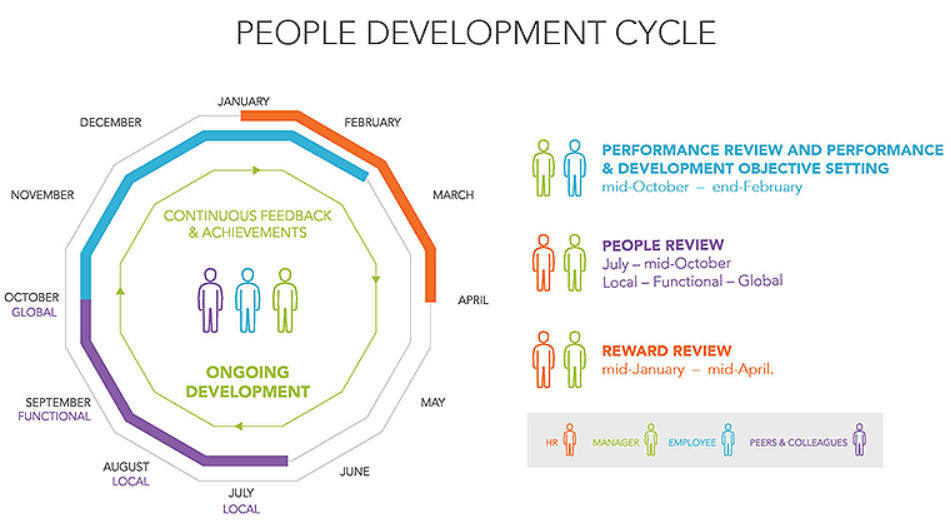
For SMB owners with limited budgets and bandwidth, training cannot be a scattershot approach. It must be focused, scalable, and directly tied to business outcomes. Focus your development budget on these three areas for maximum ROI:
Skill Category | Why it Matters for Offshore Talent | Example Training Topics |
I. Strategic & Critical Thinking (The "Soft Skills") | These are the human skills AI cannot replicate. They enable employees to handle complex, non-standard customer issues and provide higher-level analysis. | Problem-Solving Frameworks, Emotional Intelligence (EQ), Conflict Resolution, Advanced Negotiation. |
II. Technology & Tools (The "Augmented Skills") | Training on new tech ensures your employees can leverage, not compete with, automation. This is vital for efficiency gains. | Utilizing Generative AI for Summarization/Drafting, Advanced CRM Customization, RPA Oversight/Monitoring, Data Visualization Tools (e.g., Tableau). |
III. Niche & Regulatory (The "Shield Skills") | Keeps your team compliant and provides specialized expertise that is difficult to find and expensive to hire locally. | Global Data Privacy Laws (GDPR, CCPA), Industry-Specific Certifications (e.g., ITIL, Certified Public Accountant exams), Deep Dives into Core Product Lines. |
Implementing a Scalable Development Framework
You don't need an elaborate in-house Learning & Development (L&D) department. A smart BPO partner can deliver a scalable framework:
A. Micro-Learning and On-Demand Resources
Large, infrequent training seminars are inefficient. Modern offshore training uses micro-learning—short, focused, 5-15 minute modules that employees can complete during downtime.
Internal Knowledge Base: Create a centralized, searchable repository (videos, quick guides, FAQs) for instant access to product information and procedural updates.
Gamified Quizzes: Use short, gamified assessments after new module releases to verify comprehension quickly and boost engagement.
B. The Mentorship and Coaching Model
The most effective development comes from the direct manager.
Dedicated Coaching Time: Mandate 30 minutes of dedicated, one-on-one coaching and feedback per week. This isn't status updates; it's focused on reviewing performance metrics and defining a specific, actionable growth goal for the next week.
Cross-Pollination Programs: For high-potential employees, arrange temporary cross-functional rotations (e.g., a customer service agent spending a month learning from the accounting team). This builds a holistic understanding of the business and prepares them for leadership roles.
Utilizing Your BPO Partner's L&D Infrastructure
The most efficient route for an SMB is to lean heavily on its BPO provider. A quality partner, like BPO Hub, already has a dedicated L&D team and the necessary compliance infrastructure.
Shared Training Platforms: Leverage your partner's existing global training software and accredited course libraries.
Certification Sponsorship: Work with your partner to identify and co-fund industry certifications (e.g., Salesforce Administrator, PMP) for high-value offshore employees, ensuring the certification aligns with your strategic business needs.
The foundational reason for continuous development in an offshore context are more acute today than ever before:
The AI Imperative: Transitioning from Takers to Thinkers
The integration of Generative AI and Robotic Process Automation (RPA) means that the most basic, repetitive tasks (data entry, simple customer inquiries, report generation) are rapidly being automated. This is excellent news, as it increases efficiency. However, it fundamentally changes the job role for your human offshore talent.
Your employees are no longer needed for their ability to perform routine tasks; they are needed for their ability to analyze, problem-solve, strategize, and provide emotional intelligence.
The Skills Gap: Training must shift from "How to perform this task" to "How to use AI tools to solve a larger problem." This requires continuous upskilling in critical thinking, data interpretation, and human-centric service design.
Future-Proofing the Workforce: By proactively training your offshore team in advanced skills—such as cloud technology, specialized coding languages, or complex financial analysis—you ensure that your team remains relevant and valuable, resisting displacement by machines and adding high-level strategic value.
The Retention and Loyalty Engine
For SMBs, high turnover is disastrous. Losing a specialized offshore employee means lost institutional knowledge, high replacement costs, and disruptive downtime. Global talent, particularly the high-performers, are increasingly mobile and seek out employers who demonstrate a clear commitment to their career growth.
Investment in development is the strongest signal of commitment you can send.
Decreasing Attrition: When an employee sees a clear path for advancement (e.g., Customer Service Agent to CX Strategist, or Data Processor to Financial Analyst), their loyalty and willingness to stay dramatically increase. Training is a non-monetary benefit that often outweighs a marginal salary increase from a competitor.
Culture of Excellence: Ongoing development, especially when tied to internal promotions and cross-training, builds a culture where your offshore team feels integrated and valued, not just utilized.
The Quality and Compliance Shield
For SMBs dealing with global clients and sensitive data, one mistake can damage reputation and incur severe financial penalties. Training is your primary safeguard against errors, non-compliance, and security risks.
Regulatory Updates: Regulations like GDPR, CCPA, and evolving industry-specific compliance rules (HIPAA for healthcare, PCI for finance) change constantly. Continuous, mandatory training sessions ensure your offshore team remains current and minimizes the risk of legal exposure.
Security Best Practices: Your offshore team is often the first line of defense against cyber threats. Regular security awareness training (phishing, data handling protocols) is essential to maintain your firm's integrity in a remote environment.
In the modern global economy, a stagnant workforce is a liability. For SMBs, the offshore team represents a phenomenal opportunity to scale operations and access high-level expertise without the prohibitive costs of local markets.
However, realizing this potential requires moving beyond simple transactional management. It demands a sustained, strategic investment in the people who execute your mission daily.
By prioritizing ongoing development—by turning your offshore employees into Strategic Thinkers, Augmented Technologists, and Compliance Guardians—you achieve superior retention, higher service quality, and a dedicated, future-proof workforce that actively drives your competitive advantage.