
In an era defined by economic volatility and unprecedented digital transformation, American businesses are re-evaluating traditional operational models. The singular focus on in-house hiring is giving way to a more agile, global approach. This shift is not merely a cost-cutting measure but a strategic pivot toward efficiency, specialization, and scalability. At the heart of this evolution is the surge in hiring virtual assistants (VAs) and other mainstream outsourced roles. Once confined to large corporations, this trend has now become a cornerstone for small and medium-sized businesses (SMBs) and startups across the United States. The perception of outsourcing has undergone a dramatic transformation. For decades, it was synonymous with basic, low-skill tasks like manufacturing and call center operations. Today, it has matured into a sophisticated strategy for accessing high-level, specialized expertise. This shift is a direct response to several key drivers.
The Rise of Strategic Outsourcing
According to a 2024 survey by Deloitte, a significant majority of executives are planning to either maintain or increase their investment in third-party outsourcing. Crucially, the primary driver for this is no longer just cost reduction. While spend optimization remains a key factor, it is now on par with more strategic goals such as improving access to talent and addressing increasing customer demands. This indicates a move away from outsourcing as a necessity and toward outsourcing as a core function for business optimization and growth.
The Great Resignation and Talent Shortages
The post-pandemic labor market has been characterized by high employee turnover and persistent talent shortages in key sectors. For many US businesses, the struggle to fill critical roles—from IT specialists to digital marketers—has become a major impediment to growth. Outsourcing provides a direct solution by offering immediate access to a vast global talent pool without the lengthy and expensive domestic hiring process. It allows companies to find highly skilled professionals who possess the exact expertise they need, often at a fraction of the cost.
The Technology Backbone
The proliferation of high-speed internet, secure cloud computing platforms, and advanced collaboration tools has made seamless remote work a reality. Technologies like SaaS (Software-as-a-Service), robust video conferencing, and integrated project management systems have dissolved geographical barriers. This technological ecosystem has made it possible for a small business in Ohio to collaborate with a virtual assistant in the Philippines as if they were in the same office. The integration of Artificial Intelligence (AI) and automation is now augmenting these capabilities, freeing up outsourced talent to focus on more complex, value-driven tasks.
The virtual assistant has emerged as the most prominent symbol of this new outsourcing trend. What began as a simple solution for administrative tasks has blossomed into a full-fledged professional service. The market for virtual assistants is booming, with projections estimating it will reach $25.63 billion by 2025 (Business Research Insights). This exponential growth is driven by the sheer versatility and affordability of VAs. For US business owners, the "how" of outsourcing is as important as the "why." The ecosystem is diverse, offering multiple avenues for hiring, each with its own benefits and drawbacks.
Freelance Platforms: Websites like Upwork and Fiverr are ideal for project-based work and accessing individual virtual assistants. They offer flexibility and direct control over the hiring process.
Specialized Agencies: For a more comprehensive solution, businesses can partner with agencies that specialize in providing VAs or specific outsourced roles. These agencies handle the recruitment, vetting, and often the management of the remote worker, reducing the administrative burden on the business owner.
Business Process Outsourcing (BPO) Providers: BPO firms offer full-service solutions, managing entire business processes such as customer service, IT, or finance. They provide not just talent but also the technology, infrastructure, and management to ensure high-quality service delivery. https://www.google.com/search?q=Bpohub.com connects American businesses with these high-caliber BPO partners, making the process of finding the right solution simple and secure.
From Administrative Support to Strategic Partner - Why American Businesses Hire VAs?
The modern VA is far more than a digital receptionist. They are highly adaptable professionals who can take on a wide array of roles, allowing business owners to reclaim their time and mental energy to focus on high-level strategic tasks. The value proposition for hiring a VA is compelling for US business owners. According to a 2024 study by Small Business Trends, 65% of entrepreneurs feel their administrative workload limits business growth. Hiring a VA directly addresses this pain point by:
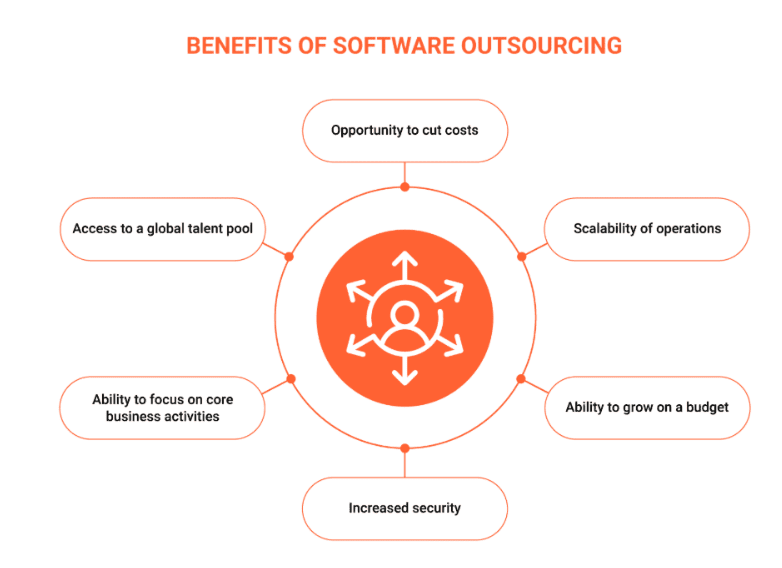
Cost Efficiency: A VA works remotely, using their own equipment. This eliminates overhead costs such as office space, utilities, and employee benefits. Studies show this can lead to up to a 78% reduction in operational costs compared to an in-house hire.
Increased Productivity and Efficiency: By delegating time-consuming, repetitive tasks, business owners can dedicate their time to strategic activities that drive revenue and innovation.
Scalability and Flexibility: A VA can be hired for specific tasks, a set number of hours per week, or on a project basis. This flexibility allows businesses to scale their support up or down based on fluctuating needs without the commitment of a full-time employee.
Access to Specialized Skills: The global talent pool offers a diverse range of skills that may not be readily available or affordable in the local market.
The trend extends far beyond virtual assistants. An increasing number of specialized roles, once considered "core" to a business, are now being outsourced. This reflects a strategic decision to focus internal resources on what a company does best—its core competencies—while entrusting specialized functions to external experts.
The trends we see today are merely a preview of what's to come. The future of outsourcing will be defined by the integration of Artificial Intelligence (AI) and automation. Rather than displacing jobs, these technologies will augment the capabilities of the outsourced workforce.
AI-Augmented VAs: AI tools will handle the most repetitive, data-heavy tasks, allowing virtual assistants to focus on more complex, high-value activities that require human judgment and creativity. For example, an AI-powered assistant might pre-screen emails and categorize them, leaving the VA to draft personalized, thoughtful responses.
Hyper-Specialization: The market will continue to move toward hyper-specialized roles. We will see a rise in VAs who are experts in niche areas like cybersecurity support, web3 community management, or data analytics.
A "Hybrid" Workforce: The future workforce will be a blend of in-house employees, outsourced teams, and AI-powered tools, all working together in a seamless ecosystem. American businesses that can master the art of managing this hybrid workforce will be best positioned to thrive.
In this new reality, finding the right outsourcing partner is more critical than ever. https://www.google.com/search?q=Bpohub.com is designed to be the bridge that connects ambitious American businesses with the global talent and solutions needed to navigate this dynamic landscape, ensuring they can harness these trends for sustainable growth.
Strategic Incentives and Recognition
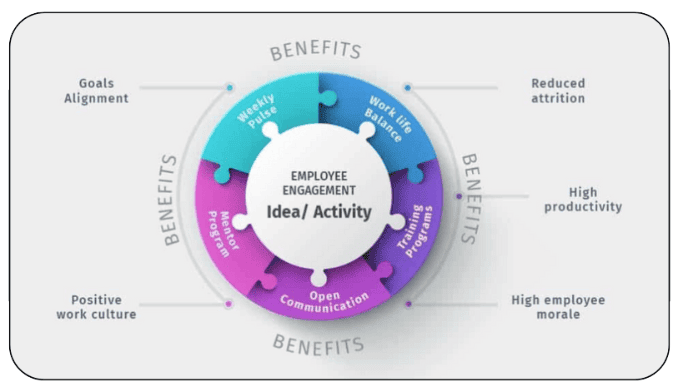
While a salary is a primary motivator, it is the strategic use of incentives and recognition that truly drives engagement and upskilling. This goes beyond simple bonuses and should be tailored to the local culture. For example, in some cultures, public recognition and prestigious awards may be more highly valued than a cash bonus. Furthermore, incentives should be directly tied to upskilling goals. For instance, a company could offer a bonus for earning a specific certification or for successfully leading a knowledge-sharing session. Offering paid time off for training, or even a budget for personal development, signals a company's commitment to its employees' long-term growth. By creating a culture where learning and development are recognized and rewarded, American businesses can create a highly motivated and skilled offshore team that is not just working for a paycheck, but is actively invested in the company's success.
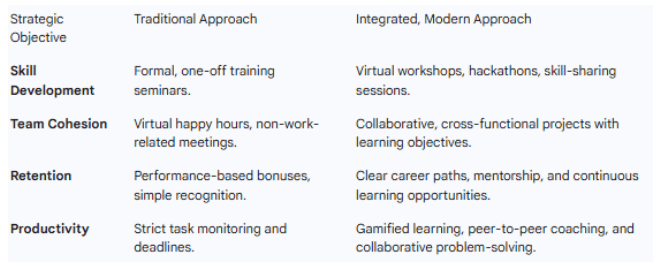
The future of managing offshore talent for American businesses lies in moving beyond a transactional relationship and embracing a strategic partnership. This involves recognizing that employee engagement and upskilling are not just nice-to-haves but are critical drivers of long-term success. By leveraging the comprehensive services of modern BPO and EOR providers, businesses can overcome geographical and cultural barriers. Implementing dynamic, integrated activities—from virtual hackathons to peer-to-peer mentorship—transforms a disparate group of remote workers into a cohesive, high-performing global team. In this model, an offshore operation ceases to be a mere cost center and becomes a source of innovation, loyalty, and sustainable growth, creating a powerful competitive advantage in the global market.